Selling During A Pcs Jacksonville Real Estate Search
Address Search
Selling During a PCS in Jacksonville
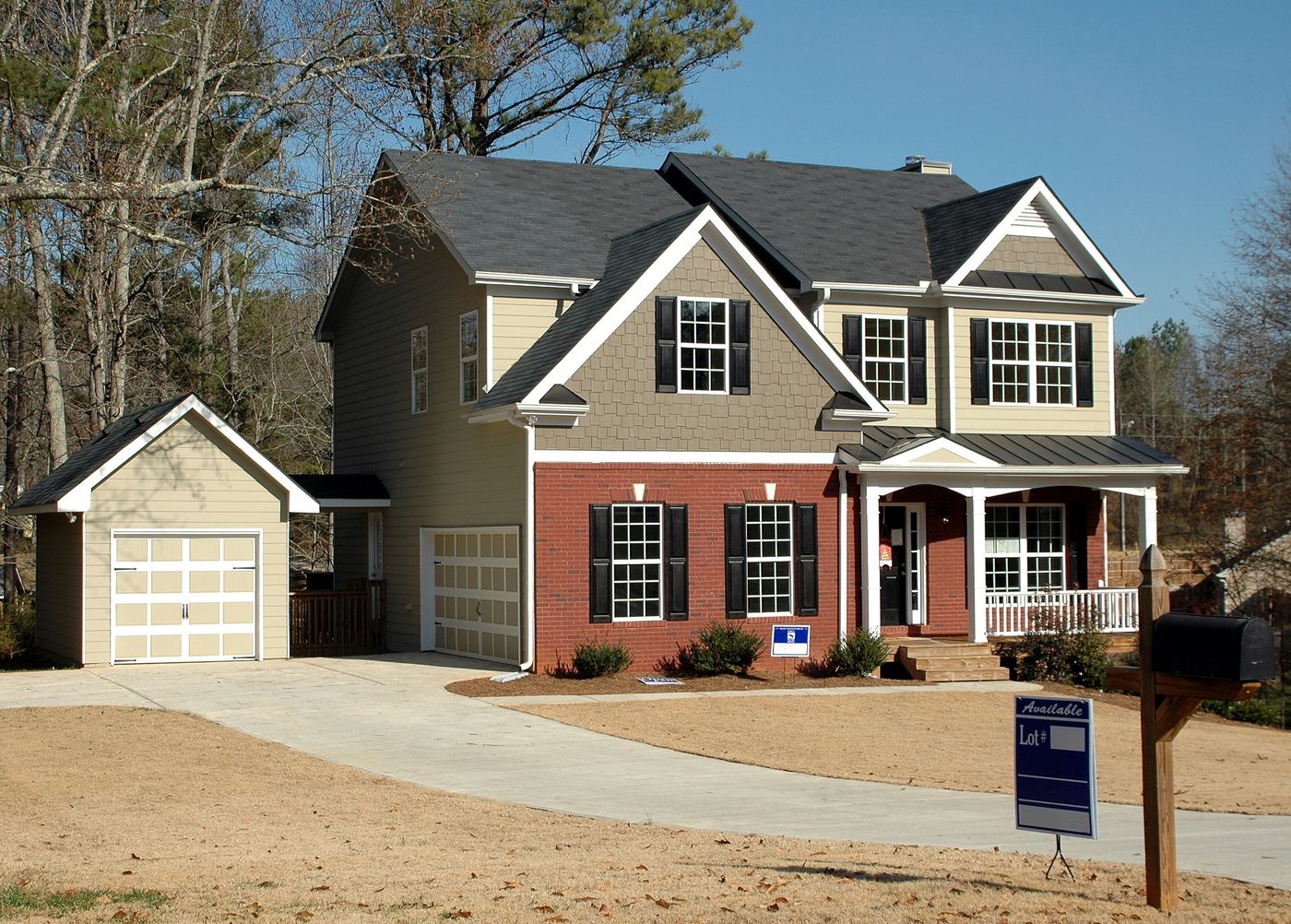
House with a for-sale sign under pine trees
You already decided to sell. This page is the playbook: timing from the report date, access after you leave, who lets inspectors in, and what belongs on the net sheet. The sell-versus-rent argument stays on the decision page.
Bring the report date to the listing conversation. We build the calendar backward from that day, not forward from the week the house feels ready. Call (904) 309-0609.
Table of Contents
 Build the calendar backward from report day
Start at the report date. Step back to the pack-out. Step back to the days you need for showings. Step back to photos. I would rather photograph the house while it still looks lived in, then have a clean plan for showings after the truck leaves. A vacant house shows every scuff and it also shows easily. Furnished photos usually sell the rooms better. You can do both if the calendar allows.
List early enough that you are not cutting the price from a hotel at the next base. If the days you have are shorter than the days the house needs, that is a price and concession conversation. It is not a hope that the market will hurry because your orders are dated. Call (904) 309-0609 with the report date before you book the carrier.
Photos, showings, and a house you already left
Once you are gone, the house still has to be shown. A lockbox and a listing agent who answers the phone beat a neighbor with a spare key. The neighbor option is a last resort and a liability. Buyers and their agents need a predictable way in, and you need a record of who went in.
Pets end showings when they are loose. Crate them or take them out. If you have already left, boarding or a sitter is part of the sale, not a personal detail. Keep the air on, the lights working, and the power on. A hot, dark house inspects badly and appraises badly. Utilities stay on through the buyer's inspections and the final walkthrough, then transfer the day after closing, not the morning you fly.
Who unlocks the door
The buyer's home inspector gets a separate appointment. You do not have to be home. We open the door, stay with the access, and send you the report path. The appraiser is another appointment, ordered by the lender, not by the inspector. A wood-destroying organism inspection is often a third visit. A surveyor shows up if the contract requires one.
You should get a text, not a parade of people who were handed your garage code. At the end, codes change or transfer at the table. The checklist page itemizes keys, fobs, and remotes. This page is the rule: strangers do not get a standing code, and inspectors do not hunt you down at the next command to be let in.
The net sheet, line by line
Before you sign a listing, look at a net sheet in dollars. Sale price. Likely concessions. Commission, using the percent in your listing agreement, shown as money. Deed documentary stamps, seller custom here, at $0.70 per $100 or fraction under section 201.02. A $400,000 price is $2,800. A $400,050 price rounds up to the next $100 and the tax is $2,800.70. Your price gets its own line.
Owner's title policy is seller custom in Northeast Florida. Amelia Island is the exception people ask about, with buyer-side title custom there. The contract controls. Also on the seller side of local custom: the HOA or condo estoppel, and your payoff, including per diem interest. Prorated taxes follow the contract. If you owned and occupied on January 1, homestead may still be on this year's bill. That does not tell the buyer what they will pay next year. There is a seller net sheet page for the math layout. Use it with your numbers, not with a guessed commission.
Offers, repairs, and VA buyers
VA buyers are common near the gates. Their appraisal checks value and minimum property requirements. Tidewater is the notice when value may come in short. The buyer's home inspection is a different list. You can refuse inspection repairs. You cannot ignore an appraiser's minimum and still expect that VA loan to fund. The buyer might change loan types. That is a new approval, not a same-day fix.
Read repair requests as three piles: items that affect the loan, items you will do because they are fair, and items you will not do. Answer inside the contract deadline. A slow reply from the next duty station is how a clean offer becomes a cancelled one. Tell us your duty constraints when we list, and call (904) 309-0609 if the ship schedule changes the day a reply is due.
Closing when you are at the next duty station
You can close without flying back if the title company and, when there is a loan, the other side's lender are set up for it. Many sellers sign a mail-away package. A power of attorney is the other path, and only if the closing agent accepts the form. If you still have a mortgage being paid off, your own lender needs a payoff, not a power of attorney speech. Get the signing plan in writing a week out, not the afternoon before funding.
Proceeds should hit an account you confirmed by calling the title company on a known number. Do not trust wiring instructions that showed up only in email. Someone local still needs to handle the walkthrough if you will not be here. Keys, remotes, and fobs are contract items. They are not souvenirs from the house.
Household goods versus the buyer's walkthrough

The buyer walkthrough expects the house empty of your goods unless the contract says something stays. Broom-clean means what the contract says it means, and a house full of boxes fails that conversation. Schedule a buffer between the carrier and closing. If the transportation office gives you a spread instead of a day, tell us the spread when we pick the closing date.
If the truck slips, call before the buyer walks into a garage of crates. We can sometimes move a walkthrough. We cannot invent a clause you did not negotiate. Take the mounts, the paint cans, and the leftover fuel with you or schedule a haul-away. The buyer is not your storage unit. The itemized version of this is the PCS seller checklist. Use both pages. The phone, if the carrier date just moved, is (904) 309-0609.
Keep going
Call (904) 309-0609.
Newest Homes for Sale in Duval County

- 5 Beds
- 4 Baths
- 2,989 SqFt.
- 0 DOM

- 3 Beds
- 2 Baths
- 1,620 SqFt.
- 0 DOM


- 3 Beds
- 2 Baths
- 1,216 SqFt.
- 0 DOM

- 2 Beds
- 2 Baths
- 1,461 SqFt.
- 0 DOM

- 3 Beds
- 2 Baths
- 1,144 SqFt.
- 0 DOM

- 4 Beds
- 2 Baths
- 1,250 SqFt.
- 0 DOM


- 4 Beds
- 3 Baths
- 3,059 SqFt.
- 0 DOM

- 4 Beds
- 4 Baths
- 2,260 SqFt.
- 0 DOM


- 4 Beds
- 4 Baths
- 3,255 SqFt.
- 0 DOM

- 3 Beds
- 2 Baths
- 1,272 SqFt.
- 0 DOM

- 3 Beds
- 1 Baths
- 1,000 SqFt.
- 0 DOM

- 4 Beds
- 2 Baths
- 2,072 SqFt.
- 0 DOM

- 3 Beds
- 2 Baths
- 1,664 SqFt.
- 0 DOM

- 2 Beds
- 2 Baths
- 1,386 SqFt.
- 0 DOM

- 2 Beds
- 2 Baths
- 830 SqFt.
- 0 DOM

- 3 Beds
- 2 Baths
- 1,544 SqFt.
- 0 DOM

- 2 Beds
- 3 Baths
- 1,110 SqFt.
- 0 DOM

- 4 Beds
- 4 Baths
- 2,484 SqFt.
- 0 DOM

- 4 Beds
- 2 Baths
- 1,607 SqFt.
- 0 DOM

- 3 Beds
- 2 Baths
- 1,485 SqFt.
- 0 DOM

- 3 Beds
- 2 Baths
- 1,104 SqFt.
- 0 DOM
Address Search