Selling a Home in Jacksonville
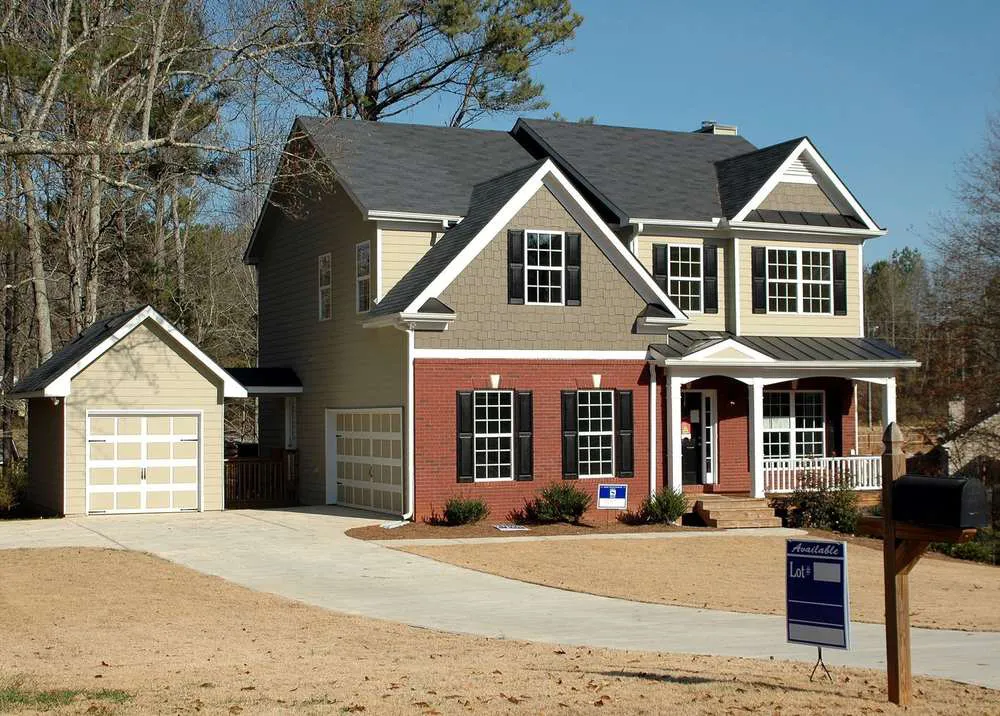
House with a for-sale sign under pine trees
What you walk away with after payoff, commission, credits, title, and deed stamps.
More than 2,000 buyers in our database, plus the buyers whose saved searches match your house.
The MLS, the IDX sites that pull from it, our own ads, and Facebook and Instagram.
Call (904) 309-0609 before you pick a price off a website.
A sale is a file with dates. Price, prep, the listing, the showings, the offer, the inspection, and the closing. This page is that file, in order, and what this office does at each step.
Most of our sellers are not military. If you are on orders, that checklist is at the bottom. Call (904) 309-0609 and a person in this office answers.
Table of Contents
 How the file runs
We start with the house, not a portal estimate. Someone from this office walks it, notes what a buyer and an inspector are going to see, and pulls what similar houses actually sold for. Then we build a net sheet before we agree on a list price. A price that looks strong and a price that leaves you the money you need are not always the same number.
Once the number is honest, we prep what is worth prepping, photograph it, and put it on the MLS. From the MLS it syndicates out through IDX to the broker sites and the big portals. We do not stop there. We run our own ads, we post it, and we go find the buyers who already told a search they want a house like yours.
Showings produce offers. We compare offers on the walk-away number, not the first line of the contract. Inspection and appraisal come next. Title, the payoff, and the closing statement come last. A transaction coordinator and the software on the file keep the dates. The inspection period does not expire because someone forgot what day it was.
The walk-away number
List price is what you ask. The net is what you keep. Before we list, we put the sale price, the mortgage payoff, the commission, the concessions, the title charges, and the deed stamps on one sheet so you can see the bottom line.
- Home value, a walkthrough, not a Zestimate.
- Property valuation
- Recently sold
- Seller net sheet, the walk-away number.
- Home sale calculator, the same kind of line-item sheet.
- Seller closing costs, the charge side on its own.
- Mortgage payoff calculator, what is left on the loan and what extra principal does to it.
Bring the payoff letter or the last statement. A guess at the balance is how a seller finds out at the closing table that the number moved. If you want a credit to the buyer instead of a repair, we price that credit on the net sheet before you say yes. A $10,000 price cut and a $10,000 closing credit do not land in the same place. Read who pays closing costs in Florida before you trade one for the other.
Prep, and who does the work
Paint, lights, and a yard will do more than a paragraph of adjectives. If the roof is at the end of its life, price it that way or fix it. Jacksonville insurers are not sentimental about shingles, and neither is an FHA or VA appraiser.
Matt Strickland is a Florida registered building contractor as well as the broker. We use that before you list, when we are deciding which repairs are worth doing, and again when a buyer asks for work. We have contractors we already use. We do not hand you a list of strangers and wish you luck the week of the inspection.
When the equity supports it, some of that work can be reimbursed at closing so you are not writing the whole check first. When the equity does not support it, we say so before you spend the money. The spring prep list, if you want a seasonal version, is the same judgment: do the thing a buyer will notice, skip the project that will not come back in the price. Signs it is time to sell is the page for the timing question. This page is the file once you have decided.
On the market
Photos first, then remarks that say what the house is, then the MLS. The MLS is the listing of record. IDX is how other brokers' sites, and the major portals, pull that same listing. That is the mass syndication. One entry, many front doors. We still want our own door, because a portal does not work the file.
We write the remarks for a person, and we also write them so a keyword search can find the house. A buyer or an agent searching "pool," "garage," "fenced," or the neighborhood name should land on you if that is what you have. Stuffing the remarks with junk words does the opposite. We use the words the house earned.
You get a sign and a flyer when the house is the kind of house those still help. An open house is a tool, not a ritual. We hold one when the traffic is the point. We skip it when the house shows better by appointment.
January through April is when the most families are looking. Summer still sells, and it sits inside hurricane season, so a named storm will pause showings. November and December are quieter. A real buyer in December is often a serious one. Do not pull a listing for the holidays unless you cannot deal with access.
Finding the buyer
Waiting on the sign is not a plan. Here is the hunt, in the order we actually run it.
The database
We keep more than 2,000 buyers. Some are active, some are a month away, some told us what they want and then went quiet. When a house matches, we go to those people first. They already know this office. They are not a cold click from a portal.
Reverse search
A reverse search starts from your house and looks backward into the MLS for buyers whose saved criteria already match it. Price, beds, area, pool, and the rest of the fields. We are not hoping the right person happens to scroll past. We are looking up the people who already described your house.
Keyword search
Some buyers search words, not just filters. If the house has a feature people type, the remarks and the ads should contain that word in a normal sentence. We check what those searches return before we call the listing finished.
Ads we pay for
We run ads on our own listings. The point is to put the house in front of people who were not already on a brokerage site that day. The portal will do some of that. We do not leave the whole job to the portal.
Social
The listing goes on Facebook and Instagram at Military Realty of Florida. That is a real audience we already talk to, not a post that dies in an agent's personal account.
Then the ordinary work still happens. Other agents show it. We answer the phone. We collect feedback after showings and we tell you what we heard, including the part you will not enjoy. Feedback that never gets to the seller is how a price sits too high for three extra weeks.
The offer
We line the offers up on one page: price, closing date, inspection period, financing, appraisal terms, and who pays which costs. The highest price with a shaky loan and a long inspection is often worse than a slightly lower price that will close.
Cash from a buyer
Fewer loan conditions. You still want proof of funds and an inspection agreement you can live with. Cash buyers ask for repairs too.
Conventional
Appraisal and underwriting. A low appraisal is a negotiation, not an automatic new price. The buyer's loan officer has to be reachable the week it matters. If they used one of our preferred lenders, we already know who picks up.
FHA
The appraisal looks at condition. Paint, rails, and a roof can show up on that list. An FHA buyer is not a weaker buyer. The file is less forgiving of deferred work.
VA
No down payment on the buyer's side does not mean a weak offer. The VA appraisal checks minimum property requirements. Tidewater is the notice if value may come in short. Occupancy rules belong to the buyer. The background, if you want it, is the VA loan knowledge center. It is one loan type. It is not the only buyer we write for.
A cash offer from this office
Listing is not the only way out. If the house and the numbers work, this office can make a cash offer. You get that number next to the net sheet for a normal listing, and you pick. A cash sale from us is faster and has fewer showings. It is also usually less money than a fully marketed sale. We will not dress one up as the other.
People use it when the calendar is the point, when the house needs work you do not want to do, or when a retail listing has already told us the retail price. Call (904) 309-0609 and ask for both numbers. Do not take a cash conversation from a postcard as the same thing. You should see the math.
Contract to close
The contract we write in Duval, Clay, St. Johns, and Nassau is the FAR and Florida Bar form. The dates in it are real. Inspection period, loan approval, appraisal, and closing are separate clocks. Our transaction coordinator runs them in the software, and you can see the file move instead of waiting for a Friday surprise.
During inspection we are in the house with the report, not just forwarding a PDF. Repair, credit, or no. Matt's contractor license is useful here because we can tell a real repair from a wish list, and we can get a contractor to the house. The same vendors we would have used before you listed are the ones we call now.
Appraisal comes after, for any financed deal. It is the lender's report, not yours. If it misses, we renegotiate with the net sheet open, not from memory.
The week of closing we confirm the payoff, the commission, the concessions, and the title charges against the net sheet you already saw. The closing statement should look like that sheet, plus the small items that always move a little. If it does not, we stop and ask why before you sign.
Title, stamps, and the tax bill
On the contracts we write in Duval, Clay, St. Johns, and Nassau, the seller usually picks the title company and pays for the owner's title policy. Whoever picks the title company is buying that policy. It is a checkbox, and it is negotiable. We have a title company we already work with, so the file is not a cold start and the coordinator is not chasing a closer they have never met. You can still name someone else. We will tell you if that choice slows the date.
Amelia Island is the exception we flag in the room. Buyer-side title custom is what people there expect. Read who pays closing costs and documentary stamp tax before you give that checkbox away for nothing.
Selling does not hand your homestead to the buyer. Your exemption can already be inside this year's tax bill, and the proration uses that bill. You do not pay the exemption back. If you are buying the next Florida house, file there. Homestead exemption, portability, and the property tax guide.
What you have to disclose
In Florida a seller has to disclose known defects that materially affect value and that a buyer could not easily see. A roof leak, a sinkhole history, an open permit, a past flood claim. Most sellers here fill out a written disclosure form. Answer what you know, honestly. "Unknown" is fine when it is true. Hiding a problem you knew about is how a closed sale turns into a lawsuit.
Disclosing early also protects the price. A defect the buyer reads about before the offer is already priced in. The same defect found in the inspection becomes a renegotiation on the buyer's terms. We help you fill the form out before the house goes live.
What to have ready
The first meeting goes faster if the file is already started. You do not need a perfect folder. You need the things that change the number.
- The mortgage statement, or the servicer's phone number, so the payoff is not a guess.
- The association name and the monthly dues, if there is an HOA or a condo. The estoppel and the rules come later. The dues belong on the net sheet now.
- A list of what does not stay. The refrigerator, the washer, the shed, the camera. If it is not written down, a buyer will assume it stays.
- Known problems. A roof leak, a permit that was never closed, an addition a prior owner did on a weekend. We would rather price it than discover it in the buyer's inspection.
- How a showing works at your house. Dogs, an alarm code, a tenant, a shift worker who sleeps days. Access is part of the listing, not a detail we invent the first Saturday.
We also need a decision on price range before the photographer comes. Shooting a house you are not ready to list wastes the photos and the first week of attention. The first week is when the people who already have a search saved actually look.
Curb appeal and the online tour
The buyer sees the house online first and from the street second. Pressure wash the drive and the siding, edge the lawn, put down fresh mulch, and fix the porch light and the house numbers. A painted front door costs a Saturday. A tired exterior costs showings.
Most buyers decide whether to book a showing from the photos. Out-of-town and PCS buyers often decide from a virtual tour. When the house calls for it, we add a 3D or video walkthrough so a buyer in another state can see the layout before they fly in. The listing also sells the neighborhood: the schools, the parks, the commute to the base or the job. A buyer is buying the street too.
Showings
Appointments go through the showing service on the MLS, with enough notice that you are not walking out of the shower. We tell you the window. You leave. Buyers do not write on houses where the seller is in the kitchen.
Lights on, beds made, counters clear, pets out. That is the whole staging speech. If a room only works with the closet doors shut, shut them. If the third bedroom is an office, leave it an office. Do not pretend the house is empty of a life. Do remove the pile that makes the room look smaller than it is.
After each showing we ask the agent what the buyer said. You get that in plain words. "They wanted a bigger lot" is useful. "They loved it" is not, unless they are writing. If three buyers say the same thing about price or a smell or a room, we change the listing or the price. We do not wait a month to be polite.
A lockbox is normal. If you do not want one, say so before we go live, and accept that some agents will skip a house they cannot show at 5:30. We will not promise you both maximum traffic and a house that is never empty.
The first two weeks
Day one is the MLS, the syndication, the ads, the social posts, and the note to the buyers in our database who already match. Day two and day three are when reverse search and the other agents' buyers do most of the work. If the house is priced where the sold comps say it should be, this is when the showings stack up.
If the first weekend is quiet, we do not invent a story about the market. We check the photos, the first line of the remarks, the price against the last five sales, and whether the ads are actually running. Then we tell you which of those is the problem. A price reduction in week two, if one is needed, is cheaper than a price reduction in week six after the listing has gone stale.
You will hear from us on a schedule, not only when there is an offer. Quiet weeks get a call too. "Nothing happened" is a fact you should hear from us, not a silence you have to interpret.
Why this office
- More than 2,000 buyers already in the database, and we use it on purpose.
- Reverse search and keyword search, so the listing is written to be found and then matched backward to people who already asked.
- MLS entry and IDX syndication, plus ads we pay for, plus Facebook and Instagram.
- Our own app for the search and the updates, and transaction-coordinator software so every date has an owner.
- A title company and lenders we already know, which matters when the other side's file starts to wobble.
- A broker who is also a Florida registered building contractor, and contractors who show up.
- A cash offer from this office when listing is the wrong tool.
You still get the ordinary things. A person on the phone. A sign. Feedback you can use. Call (904) 309-0609. Questions that did not fit here are on the seller FAQ.
Here is how to pick the right listing agent in Jacksonville, including what to ask about pricing and fees.
If you are on orders
The sale is the same file. The calendar is shorter, and access gets harder once you leave. Start with the net sheet and the payoff, then the checklist.
Keep going
- Seller net sheet
- Seller closing costs
- Home sale calculator
- Mortgage payoff
- What the house is worth
- Buying a home, if the next house is part of this move
- Seller FAQ
Call (904) 309-0609.