What Is A Cdd Florida Real Estate Search
Address Search
What Is a CDD in Florida
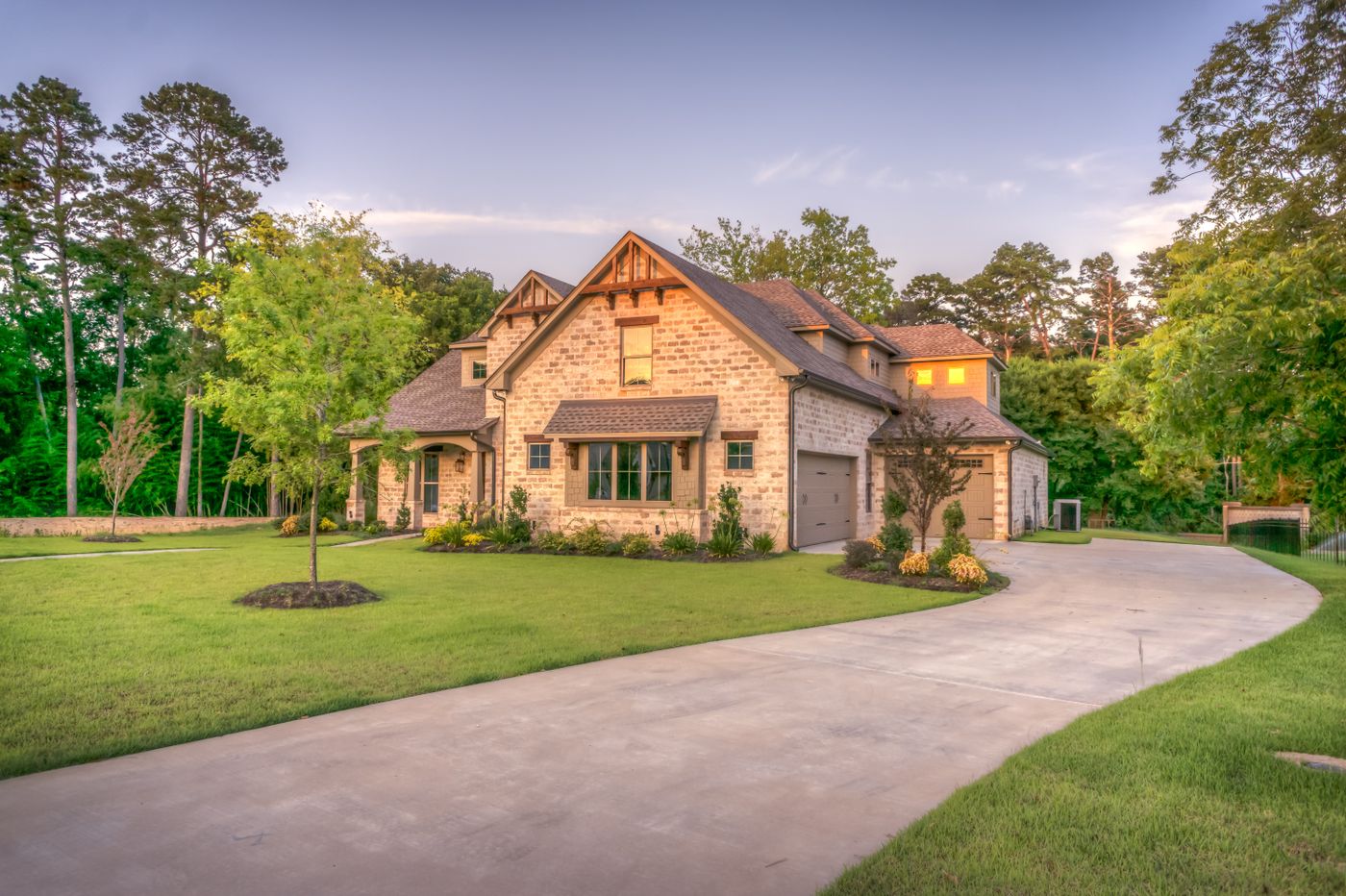
Large house with a circular drive
A CDD is a Community Development District under Florida Statutes Chapter 190. It can issue bonds to build roads, pipes, and ponds, then charge the lots to repay that debt.
The charge often shows up as a non-ad valorem line on the county tax bill. That line is separate from HOA dues. eTown has a CDD. The annual amount is on the tax bill for that parcel, not in a brochure, and not on this page.
Table of Contents
 Chapter 190 in plain words
Chapter 190 lets a developer, and later the landowners, set up a district with its own board. The district can finance and maintain public infrastructure inside a planned community.
You are not joining a club. You are buying a lot that may be inside a special district. The district has a budget, a bond debt, and the power to assess the property. That assessment usually follows the land, so the buyer takes it on.
Jacksonville buyers meet this most often in newer communities, not in a 1960 Riverside bungalow. Age of the house is not the test. The tax bill is the test.
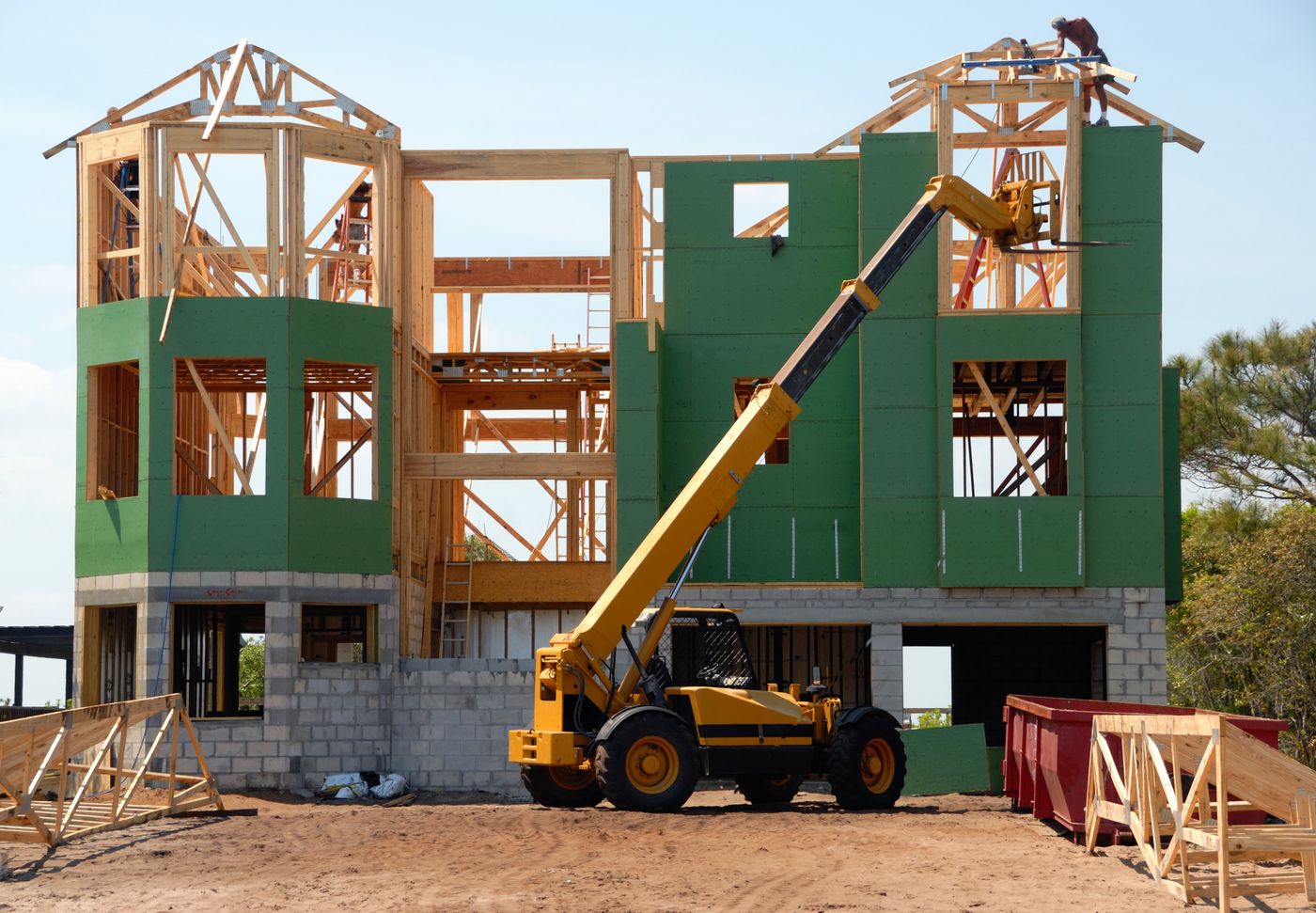
What the bonds paid for
The bonds are how the district borrows for the big infrastructure up front: roads, water and sewer lines, stormwater, and sometimes amenities the district owns. The lots repay that borrowing over time.
You will not see the bond indenture at a Sunday open house. You will see a line on the tax bill, and you may see a payoff letter if you ask the title company to order one. We do not invent the balance.
Ask which part of the charge is bond debt and which part is the district's operating cost. Both can sit on the tax bill. Neither one is the HOA dues.
The tax bill and the HOA are separate
HOA dues are a bill from the association. The CDD line is often collected with Duval, Clay, St. Johns, or Nassau property taxes as a non-ad valorem assessment. You can owe both in the same month.
Paying the HOA does not pay the district. Paying the tax bill does not pay the HOA. Budget them as two items. A gate, a pool, and a new roof do not tell you which bill is which.
The HOA estoppel is the association's snapshot: dues, a balance due, and sometimes a violation. The tax bill is where the CDD line usually prints. Title should have both before you are out of the inspection period.
eTown has a CDD
eTown has a CDD. It is a real new-construction pocket in south Jacksonville, ZIP 32256, where buyers also shop Del Webb. Del Webb is a section of eTown, not all of 32256.
We are not going to type an annual assessment on this page. The number changes by product and by bond issue, and a fake figure helps nobody. Pull the tax bill for that street address before you write.
Other pockets people shop, including Oakleaf, Tamaya, RiverTown, Wildlight, and Beachwalk, need the same read. Some parcels sit in a district. Some do not. Nocatee comes up in the same conversation, and it still does not get a number from us without the bill. Builders you will see include Dream Finders, Lennar, D.R. Horton, David Weekley, and ICI Homes. Incentives change every month. We do not quote one.
What to read before you offer
Before you offer, get the latest tax bill and the estoppel. Circle the non-ad valorem lines. Ask the listing agent which line is the CDD. Then ask title to confirm it, because the listing agent is not the district.
Read the HOA budget too, so you are not treating the district charge as if it were the association dues. Resale and new construction both need this. A builder's estimated tax sheet is a worksheet. The recorded bill and the estoppel are the documents.
If you are comparing a house inside a district to an older house in Arlington or Mandarin with no district, compare the full carrying cost. Call (904) 309-0609 and we will lay the two bills next to each other.
Ask about a bond payoff
Ask the title company whether the district issues a payoff of the capital assessment, and whether any operating charge remains if that debt is paid. Get the answer in writing. Do not guess either number from a neighbor.
A payoff, when it exists, is a lump sum. It is not the same thing as the annual line on this year's tax bill. Some buyers ask the seller to pay it. That is a contract term, not a right. The seller can say no.
On a financed purchase the lender may want the CDD disclosed. Send the tax bill with the rest of the package. Hiding the line until closing is how files blow up in the last week.
Check the parcel, not the brochure
Two houses on the same Sunday tour can sit in different districts, or one can sit in none. The community name on the sign is not the legal test. The parcel number on the tax bill is.
A 55-plus section such as Del Webb eTown can have its own association rules on top of a CDD. Do not assume the whole ZIP shares one fee. We do not publish dues we have not read on that file.
Bring the address. We will pull the bill before you fall in love with the model home. Call (904) 309-0609.
Keep going
Call (904) 309-0609.
Newest Homes for Sale in Duval County

- 5 Beds
- 4 Baths
- 2,989 SqFt.
- 0 DOM

- 3 Beds
- 2 Baths
- 1,620 SqFt.
- 0 DOM


- 3 Beds
- 2 Baths
- 1,216 SqFt.
- 0 DOM

- 2 Beds
- 2 Baths
- 1,461 SqFt.
- 0 DOM

- 3 Beds
- 2 Baths
- 1,144 SqFt.
- 0 DOM

- 4 Beds
- 2 Baths
- 1,250 SqFt.
- 0 DOM


- 4 Beds
- 3 Baths
- 3,059 SqFt.
- 0 DOM

- 4 Beds
- 4 Baths
- 2,260 SqFt.
- 0 DOM


- 4 Beds
- 4 Baths
- 3,255 SqFt.
- 0 DOM

- 3 Beds
- 2 Baths
- 1,272 SqFt.
- 0 DOM

- 3 Beds
- 1 Baths
- 1,000 SqFt.
- 0 DOM

- 4 Beds
- 2 Baths
- 2,072 SqFt.
- 0 DOM

- 3 Beds
- 2 Baths
- 1,664 SqFt.
- 0 DOM

- 2 Beds
- 2 Baths
- 1,386 SqFt.
- 0 DOM

- 2 Beds
- 2 Baths
- 830 SqFt.
- 0 DOM

- 3 Beds
- 2 Baths
- 1,544 SqFt.
- 0 DOM

- 2 Beds
- 3 Baths
- 1,110 SqFt.
- 0 DOM

- 4 Beds
- 4 Baths
- 2,484 SqFt.
- 0 DOM

- 4 Beds
- 2 Baths
- 1,607 SqFt.
- 0 DOM

- 3 Beds
- 2 Baths
- 1,485 SqFt.
- 0 DOM

- 3 Beds
- 2 Baths
- 1,104 SqFt.
- 0 DOM
Address Search